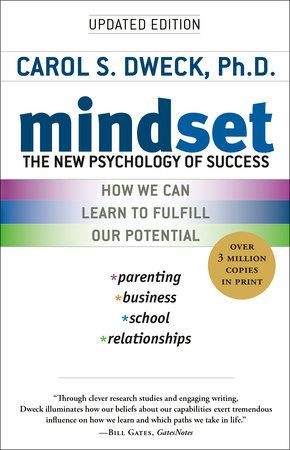
Mindset
I come back to a simple question: do people really change? Dweck gives me a way to notice when “I’m bad at this” has quietly become the end of the conversation.
These are books I reach for when I want to think more clearly about business, people, or the way I move through the world. Start with the question that’s been following you around lately.
I come back to a simple question: do people really change? Dweck gives me a way to notice when “I’m bad at this” has quietly become the end of the conversation.

I like the practical question underneath this book: what can I make easier to do tomorrow? It’s a good read when your whole plan depends on you having an unusually good Monday.
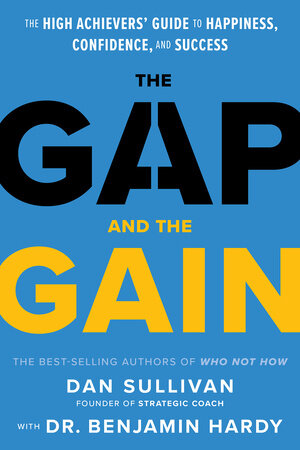
If the goalposts keep moving, it’s easy to miss the ground you’ve already covered. I like this book for the moment when another plan can wait and a more honest look at your progress would help.

I like the distinction between being good at something early and caring enough to keep getting better. It makes for an interesting conversation about which work deserves your persistence.

This is one I’d reach for when the same problem keeps showing up in a different outfit. Wiest asks what an old habit might be protecting and whether you still need it to do that job.
I’d hand this to someone who knows their material and still takes three minutes to get to the point. It’s practical preparation for the pitch, the interview, or the meeting where your first sentence matters.

I like this book for the conversation you’re tempted to soften until nobody knows what you mean. It gives leaders a way to stay kind and make the feedback clear enough to use.

Worth reading if you keep waiting to feel qualified before you let people see your work. I like the question it raises: how much of your next move are you asking someone else to authorize?

“Begin with the end in mind” earns its place here. I like starting there when a team has six urgent tasks on the board and three different ideas about what they’re trying to accomplish.
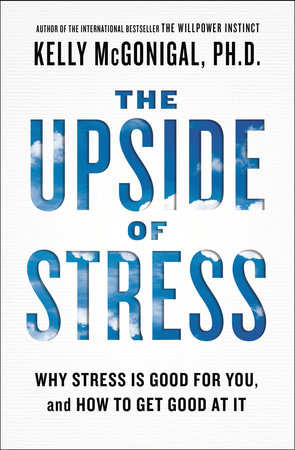
I like the room this book makes for a more curious question: what does my reaction tell me about what matters here? It’s a useful lens for a high-stakes conversation or a day when the stakes feel high.

I’d recommend this when priorities live in the founder’s head and follow-through depends on who remembers the last meeting. Start with the idea of clear owners and a regular time to see what actually got done.

What’s worth giving a damn about? I like that this book makes you choose. It’s a good companion for the week when every email, invitation, and shiny idea is asking for a vote.

I like the question this book leaves me with: whose rule am I following? It’s a good read when an old expectation keeps making decisions on your behalf.

I recommend Pollan for the way he follows a question through science, history, and lived experience. It’s a reminder of how much there is to learn when you stay curious long enough to complicate your own opinion.

I’d read this as a reflection prompt. What do you keep saying you want, and what are you giving your time and attention to? There’s a useful conversation in the space between those answers.
Find more ideas and favorite reads in Sage Against the Machine, my newsletter on business, culture, and the things worth paying attention to.